
1Keep the current written instructions nearby.
2Ask someone to help copy them clearly.
3Use a reminder for the confirmed time.
4If unsure, ask your doctor. Do not guess.
Collect the instructions you actually use
Sit with your parent and gather the current written instructions and the packages for medicines they report taking. Include nonprescription products and supplements in the list you show the clinician. The aim is to make the information visible, not to decide which items belong in treatment.
Copy names exactly as written, along with the instructions, the source document, and the date checked. Leave an unclear entry marked “ask the doctor.” Do not identify a medicine from its color or shape, or fill a blank from memory.
Separate the current list from older copies
Write a checked date at the top of the list. After a clinician confirms a change, update the record from that instruction and mark earlier sheets as out of date. Keep old documents where they will not be mistaken for today’s instructions.
If two records disagree, record the question and contact the clinician. Do not merge instructions into a new schedule yourself. A shared family copy should have the same date and wording as the copy your parent uses.
Use reminders without changing the prescription
Ask whether your parent prefers a phone alarm, a paper tick sheet, or help from one agreed person. Copy only the confirmed timing into a reminder. A generic label such as “check your current medicine instructions” can avoid showing private details on a lock screen.
A reminder is not proof that a medicine was taken. Record an actual event only after it has happened and is known. If the timing, a missed dose, a possible repeat dose, storage, or a pill organizer raises a question, contact the doctor for advice rather than using a household rule.
Share only what the next person needs
If another person helps, show them where the current instructions and record are kept. Separate “confirmed” from “not known.” An unchecked box means no confirmed record; it must not be treated as an instruction to take a medicine.
Take the list to appointments and ask the clinician to check it when appropriate. Keep completed sheets private. This page does not send reminders, monitor adherence, or make medical decisions; entries disappear when you reload or leave.
Use the worksheet for one real situation
Open the matching sheet below. Review the preparation checklist, then write the information your family needs in the labeled fields. Leave unknown details blank and record who can clarify them.
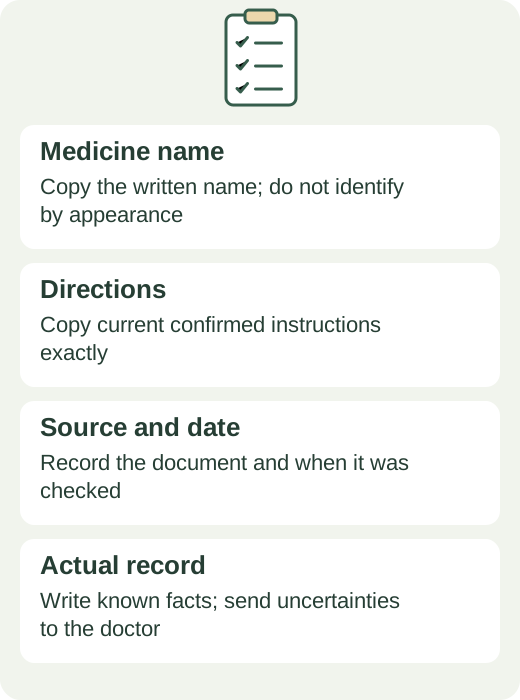
Medicine name
Copy the written name; do not identify by appearance
Directions
Copy current confirmed instructions exactly
Source and date
Record the document and when it was checked
Actual record
Write known facts; send uncertainties to the doctor
Print a blank copy to write by hand, or fill it in on this page before printing. Give the completed copy only to people your parent has agreed may see it. The checklist records preparation; it does not score safety or verify a medical decision.
Common questions
Can the sheet tell us what time to take a medicine?
No. It records timing already confirmed by the clinician. Ask the doctor about any unclear timing.
What if nobody knows whether a dose was taken?
Record that uncertainty and contact the doctor for instructions. Do not use a blank box to decide what to take.
Will this page remind me later?
No. It is a printable record. Use a separate reminder only after its schedule has been confirmed.
Source and scope
Supports keeping a current list of medicines and supplements to share with the care team. This page does not interpret prescriptions.
The examples and worksheets are original household planning tools. For symptoms, medication decisions, or other medical questions, contact a doctor.