
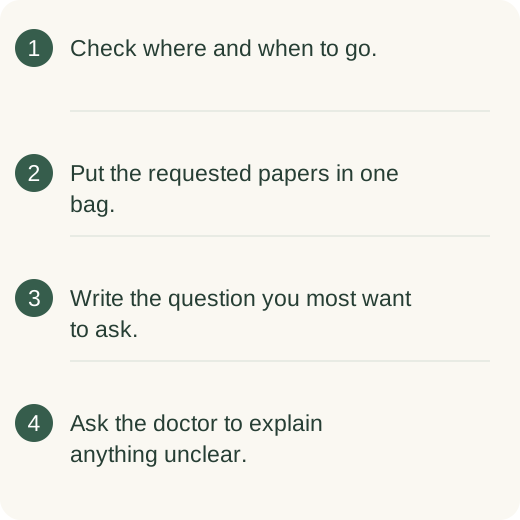
1Check where and when to go.
2Put the requested papers in one bag.
3Write the question you most want to ask.
4Ask the doctor to explain anything unclear.
Check the booking, not just the hospital name
Read the appointment confirmation together. Note the clinician or department, building, entrance, check-in time, and a phone number for booking questions. Large hospital sites can have several entrances; a street address alone may not get you to the right desk.
Ask the clinic which documents it needs and whether there are specific preparation instructions. If anything is unclear, contact the clinic rather than guessing. Plan travel, parking or a drop-off, and how you will get home; allow time for the route your parent prefers.
Make a small, usable document folder
Keep the booking details at the front, then the documents requested by the clinic, relevant recent reports, and a current medication list. In the US, ask whether identification, insurance information, or referral paperwork is needed. Do not assume a portal at one clinic contains records from another.
Separate originals from copies and keep dates visible. You do not need to upload these documents to this website. A paper folder or a private file on your own device can keep the details available without sharing them with a family group.
Let your parent choose the first question
Ask, “What would make this visit useful for you?” Write that question first, followed by two or three other concerns if needed. Use your parent’s words. Leave room beside each question for the clinician’s answer instead of filling the page with your own interpretation.
Agree whether your parent wants you in the room and whether you may take notes. Offer practical help with finding a report or remembering a question. Give them time to answer first, and ask permission before bringing up something private.
Leave with clear written instructions
Before leaving, check which instructions came from the clinician, which bookings you still need to make, and who to call with a question. Read back anything you could have copied incorrectly. A family note helps you remember the conversation; it does not replace the visit summary.
Back at home, put the new paperwork with the current folder and date your notes. If a medical instruction conflicts with an older document, ask the clinician to clarify. Do not resolve the difference by choosing whichever instruction is easier to follow.
Use the worksheet for one real situation
Open the matching sheet below. Review the preparation checklist, then write the information your family needs in the labeled fields. Leave unknown details blank and record who can clarify them.
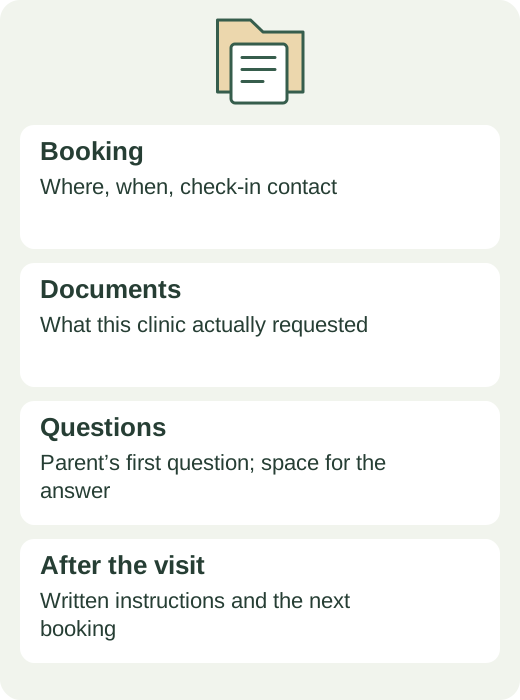
Booking
Where, when, check-in contact
Documents
What this clinic actually requested
Questions
Parent’s first question; space for the answer
After the visit
Written instructions and the next booking
Print a blank copy to write by hand, or fill it in on this page before printing. Give the completed copy only to people your parent has agreed may see it. The checklist records preparation; it does not score safety or verify a medical decision.
Common questions
Do I need every old report?
Ask the clinic what is relevant to this visit. Keep the requested records easy to find and bring other documents only as advised.
Can I speak for my parent?
Ask how they want you to help. Let them speak first when possible; use your notes to fill gaps with their permission.
What if I cannot understand an instruction?
Ask the clinic or clinician to explain it. This worksheet cannot interpret medical instructions.
Source and scope
NIA: Talking with your doctor worksheets
Background on preparing questions and bringing a current medicine list. Our bag layout and visit worksheet are original organizational suggestions.
The examples and worksheets are original household planning tools. For symptoms, medication decisions, or other medical questions, contact a doctor.